Fire Safety for Older Fort Wayne Homes
Fort Wayne has some of the most character-rich older housing stock in the region — century homes near West Central, mid-century builds across the north side, and 1980s-90s subdivisions throughout Aboite. That charm comes with a trade-off: older homes carry fire risks that newer construction simply doesn't. This is the fire-safety guide for owners of older Fort Wayne homes, covering the electrical, heating, and dryer vent issues that age brings.
Electrical: The Biggest Hidden Risk
Electrical failure is one of the leading fire causes in homes built before 1980, and Fort Wayne has a large share of that stock. The problems are predictable: wiring sized for a fraction of today's appliance loads, knob-and-tube or early aluminum wiring, and breaker panels that have outlived their safe service life.
- —Have a licensed electrician inspect the panel and wiring in any home built before 1980.
- —Watch for warm outlets, flickering lights, or breakers that trip repeatedly — all signs of an overloaded circuit.
- —Replace any two-prong ungrounded outlets near water with GFCI-protected outlets.
- —Never up-size a breaker to stop a trip — that removes the safety that's trying to tell you something.
Heating: Chimneys and Flues
Older Fort Wayne homes often have wood-burning fireplaces and aging furnace flues. A chimney that hasn't been swept in years collects creosote — a highly combustible residue — and a cracked flue liner can let carbon monoxide into living space.
- 1Have the chimney swept and inspected annually before the first fire of the season.
- 2Ask the sweep to check the flue liner for cracks and the crown for deterioration.
- 3Install a stainless-steel chimney cap to keep animals and debris out.
- 4Keep combustibles at least three feet from the hearth.
Dryer Vents: Built to a Different Code
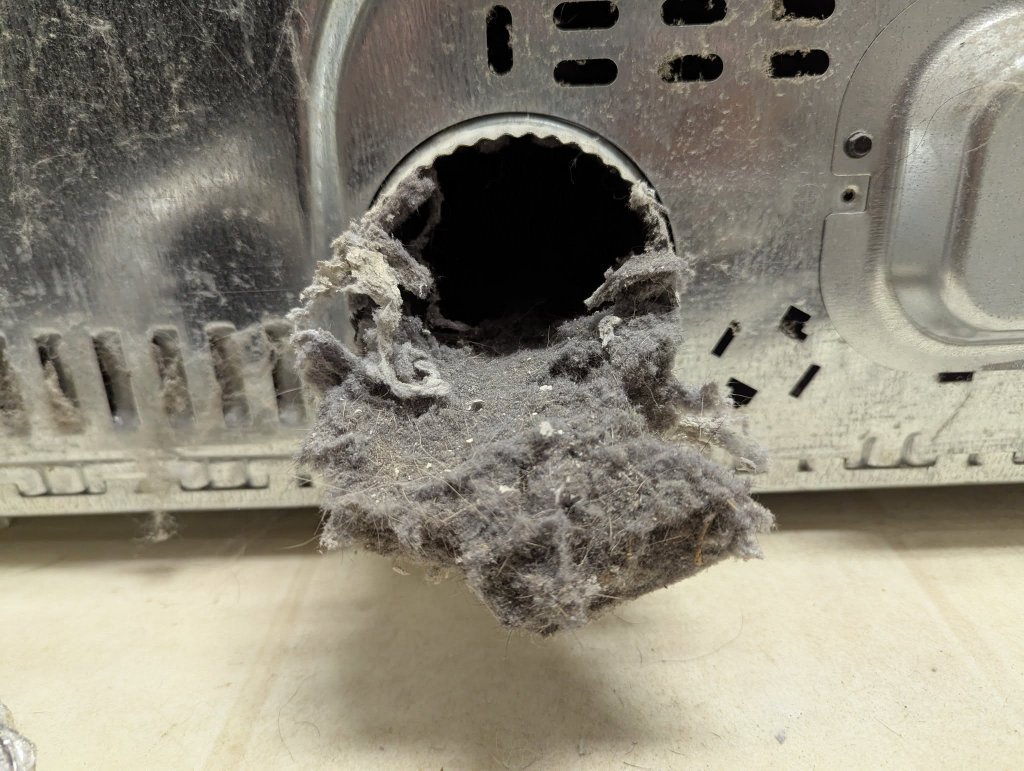
This is the fire risk that hides behind the laundry room wall. Dryer vent systems in older Fort Wayne homes were built to a different standard than today's NFPA 211 code. Long, hidden runs, flexible foil ducting, and non-compliant exterior caps are common — and all three are documented fire hazards.
Three issues show up again and again in older homes:
- —Long horizontal runs (sometimes 25+ feet) that let lint settle and collect for decades.
- —Flexible foil or plastic ducting that sags, traps lint, and violates current code.
- —Exterior caps with fine screens that catch lint and eventually block the vent entirely.
The fix is the same in every older home: a full cleaning backed by a 4K camera inspection, and replacement of any non-compliant duct or cap. If the run has gone more than two years without a visual inspection, book one — you can't fix what you can't see.
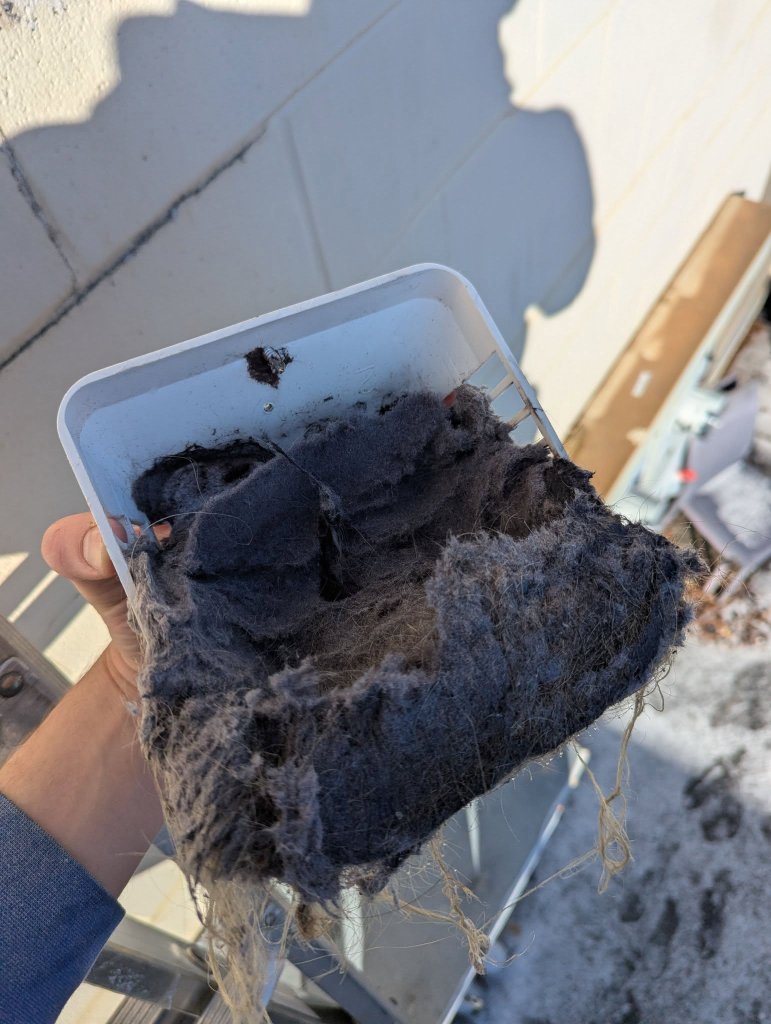
Older-home reality: A vent line that's 30 years old and has never been professionally cleaned has had three decades to accumulate lint. The lint you catch in the screen is a fraction of what the dryer produces — the rest is packed against the walls of the duct, waiting for a hot cycle.
Smoke and CO Detection in Older Layouts
Older homes often have layouts that weren't designed with modern detection in mind — closed-off rooms, multiple levels, and sleeping areas far from the kitchen. That makes detector placement even more important.
- —Install interconnected smoke alarms so every alarm sounds when any one triggers.
- —Add a smoke alarm in every bedroom and outside each sleeping area.
- —Install CO alarms near every sleeping area and on every level with a fuel-burning appliance.
- —Replace any smoke alarm unit older than 10 years — the sensor ages, not just the battery.
A Seasonal Rhythm for Older Homes
Older homes reward a routine. Twice a year, at daylight saving time, walk this short list: test every alarm, replace any battery that's low, schedule the chimney sweep in fall, and book the annual dryer vent cleaning before winter drying spikes. That rhythm is what keeps a character home a safe home. Read more in our local resource hub for Fort Wayne homeowners.
Need dryer vent cleaning in Fort Wayne? Get a free quote.
GET FREE QUOTE →